

Turning Food Waste into Nutritious Eggs Through Circular Innovation
January 11, 2026


Through black soldier fly farming and community partnerships, Great Giant Pineapple is exploring innovative ways to reduce organic waste, support local livelihoods, and create value across the food system.
Food waste remains a growing environmental challenge, but with the right approach, organic materials can be transformed into valuable resources.
One potential solution is the cultivation of black soldier fly larvae, commonly known as maggots. These larvae can consume a variety of organic materials, including rejected fruits, household food scraps, and other biodegradable waste. Once cultivated, they can serve as a protein-rich ingredient for animal feed.
Since 2019, the Community Relations and Development team at PT Great Giant Pineapple (GGP) has worked with communities in Bandar Agung Village to develop black soldier fly farming through the Mina Pola Abadi community group.
The initiative supports the responsible management of organic waste while helping community members develop practical knowledge and new economic opportunities. It reflects GGP’s broader approach to sustainability, in which collaboration with surrounding communities plays an important role in building long-term environmental and social value.
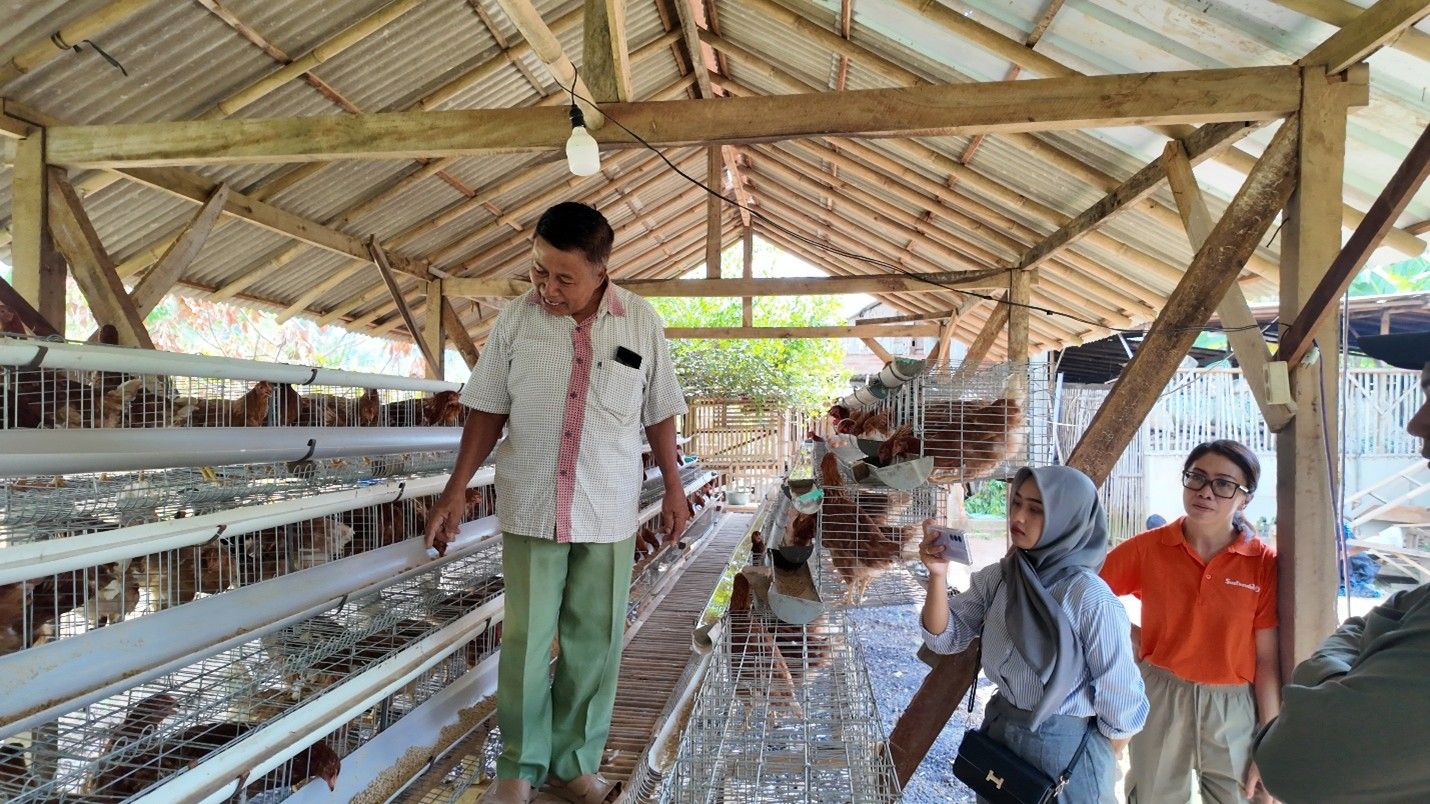
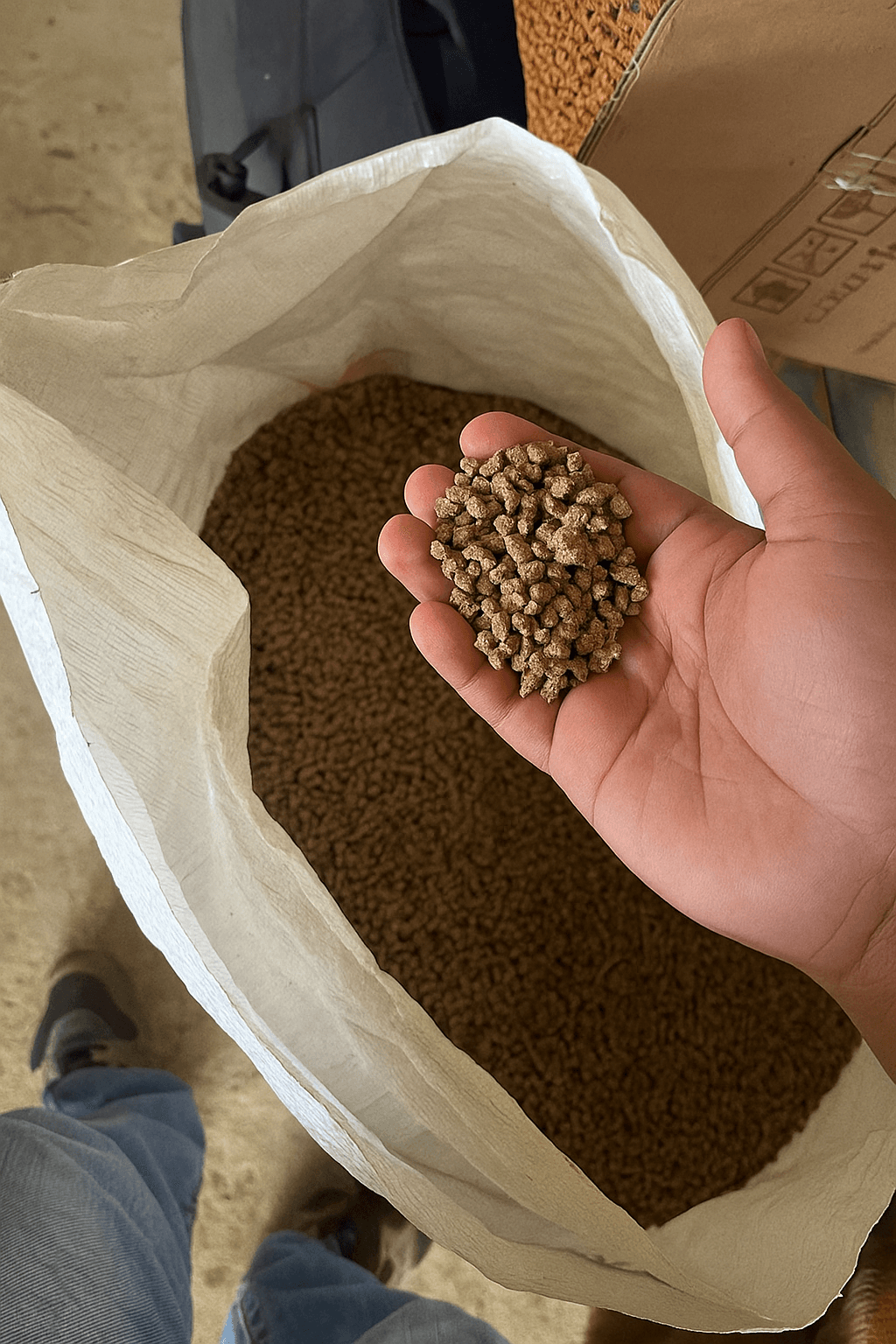
In early 2025, GGP’s Sustainability and Community Relations and Development teams began exploring the use of black soldier fly larvae as an alternative feed ingredient for layer chickens in collaboration with local communities.
Initial trials involving feed containing black soldier fly larvae indicated encouraging results for chicken development and egg quality. Beyond its potential as an alternative source of protein, the initiative also creates opportunities for community partners to develop value-added products and become more economically self-reliant.
By connecting organic waste management with community-based farming, the program demonstrates how circular practices can create benefits across multiple areas—from reducing biodegradable waste and improving resource efficiency to strengthening local capabilities and supporting sustainable livelihoods.
Through initiatives such as this, GGP continues to explore practical solutions that turn previously underutilized materials into valuable resources while growing alongside the communities surrounding its operations.